


Master the Art of Classical Guitar Playing
Oct 13, 2025
4 min read
Updated: Nov 28, 2025
Learning to play the classical guitar is a rewarding journey that combines technical skill, musicality, and passion. Whether you are a beginner or looking to refine your technique, mastering the classical guitar requires dedication and the right guidance. This post will walk you through essential tips, effective practice methods, and the benefits of enrolling in classical guitar courses to help you become a confident player.
Why Choose Classical Guitar Courses for Your Learning Journey?
Classical guitar courses offer structured learning paths designed to build your skills progressively. Unlike self-taught methods, these courses provide a clear curriculum, expert feedback, and a community of learners to support your growth.
Structured Curriculum: Courses break down complex techniques into manageable lessons.
Expert Guidance: Instructors can correct your posture, finger placement, and tone production.
Motivation and Accountability: Regular lessons keep you motivated and on track.
Access to Resources: Sheet music, practice exercises, and video tutorials enhance your learning.
Enrolling in classical guitar courses can accelerate your progress and deepen your understanding of music theory, fingerstyle techniques, and repertoire.
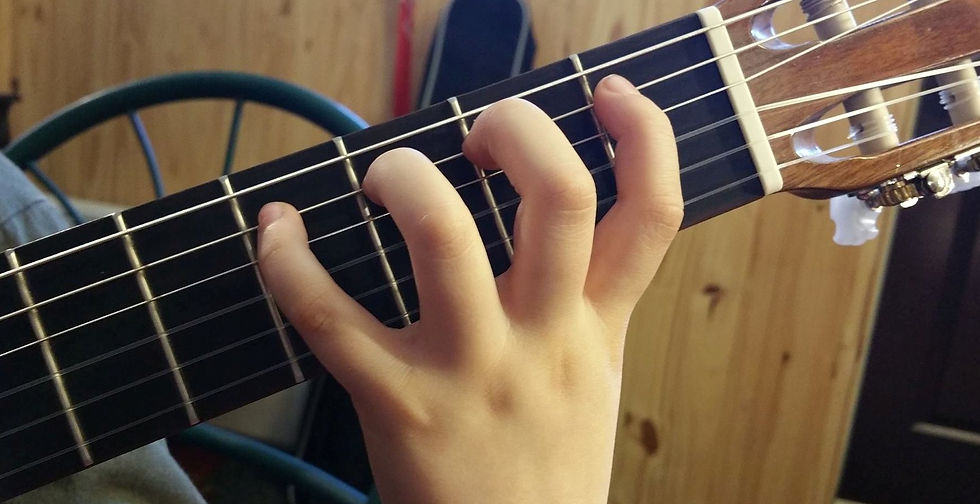
Close-up of classical guitar strings and fretboard showing finger placement
Essential Techniques Covered in Classical Guitar Courses
Mastering the classical guitar involves learning specific techniques that define its unique sound. Here are some key areas that classical guitar courses focus on:
Proper Posture and Hand Position
Maintaining the correct posture is crucial for comfort and preventing injury. Sit with your back straight, guitar resting on your left leg (for right-handed players), and hold the neck at a slight upward angle. Your right hand should hover naturally over the sound hole, with fingers curved and relaxed.
Fingerstyle Technique
Classical guitar is played fingerstyle, using the thumb and fingers to pluck strings independently. Courses teach you how to develop finger independence, control, and speed through exercises like arpeggios and scales.
Reading Music and Sight-Reading
Unlike many guitar styles, classical guitar often requires reading standard musical notation. Learning to read music opens up a vast repertoire and improves your musicality.
Dynamics and Expression
Classical guitar playing is not just about hitting the right notes but expressing emotion through dynamics, phrasing, and tone color. Courses guide you on how to interpret pieces musically.
Practice Routine
A well-planned practice routine is essential. Classical guitar courses often recommend daily practice sessions focusing on warm-ups, technical exercises, and repertoire.
Classical guitar resting on a music stand with sheet music
Can I Self Learn Classical Guitar?
Many aspiring guitarists wonder if they can teach themselves classical guitar. The answer is yes, but with some caveats.
Advantages of Self-Learning
Flexibility: Learn at your own pace and schedule.
Cost-Effective: No need to pay for lessons.
Access to Online Resources: Plenty of free tutorials, videos, and sheet music are available.
Challenges of Self-Learning
Lack of Feedback: Without an instructor, it’s easy to develop bad habits.
Difficulty in Progression: Knowing what to practice next can be confusing.
Motivation: Staying consistent without external accountability can be tough.
If you choose to self-learn, consider supplementing your practice with occasional professional guidance or enrolling in online classical guitar lessons to ensure proper technique and steady progress.

Classical guitar and practice notebook on a wooden table from a high angle
How to Maximize Your Practice Sessions
Effective practice is the key to mastering the classical guitar. Here are some actionable tips to make the most of your practice time:
Warm-Up Properly
Start with finger stretching and simple scales to prepare your hands.
Set Clear Goals
Define what you want to achieve in each session, such as mastering a specific piece or improving finger independence.
Use a Metronome
Practice slowly with a metronome to develop timing and accuracy before increasing speed.
Break Down Pieces
Divide complex compositions into smaller sections and practice each separately.
Record Yourself
Listening to recordings helps identify areas for improvement.
Stay Consistent
Aim for daily practice, even if it’s just 20-30 minutes.
Incorporate Theory
Understanding music theory enhances your interpretation and improvisation skills.
Why Enroll in Online Classical Guitar Lessons?
Online classical guitar lessons offer the convenience of learning from home with personalized instruction. Platforms like classical guitar lessons provide live sessions via Skype, allowing you to interact with experienced teachers worldwide.
Benefits of Online Lessons
Flexible Scheduling: Choose lesson times that fit your lifestyle.
Access to Experts: Learn from top instructors regardless of location.
Customized Learning: Lessons tailored to your skill level and goals.
Interactive Feedback: Real-time corrections improve your technique.
Whether you are a beginner or an advanced player, online classical guitar lessons can provide the structure and support needed to reach your musical aspirations.
Embrace the Journey of Classical Guitar Mastery
Mastering the classical guitar is a fulfilling experience that combines discipline, creativity, and passion. By enrolling in classical guitar courses, practicing effectively, and possibly supplementing with online lessons, you can develop the skills to play beautiful music confidently.
Remember, progress takes time, so be patient and enjoy every step of your musical journey. With dedication and the right resources, you will soon find yourself expressing emotions and stories through the timeless sound of the classical guitar.
Comments